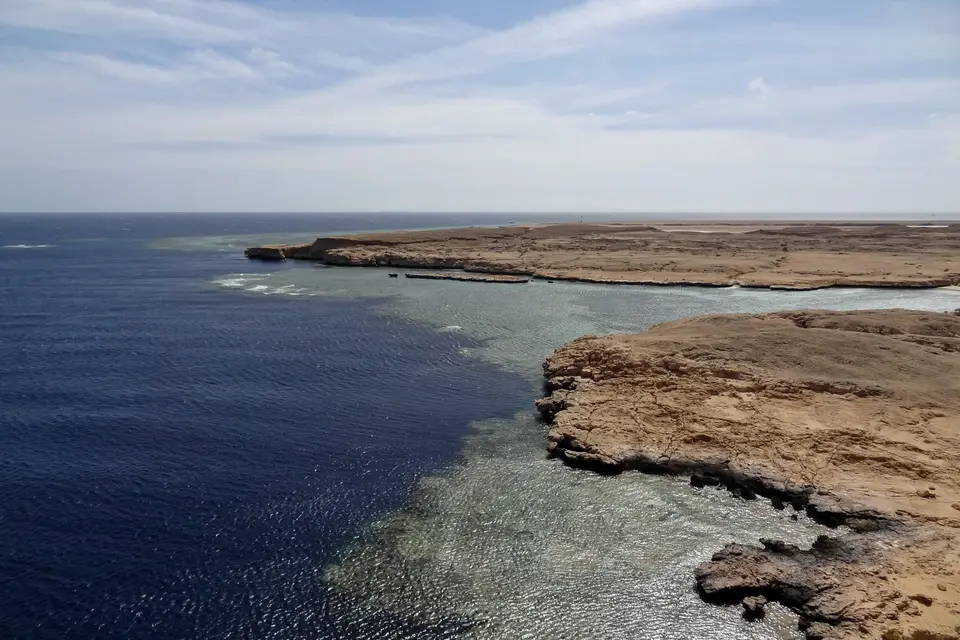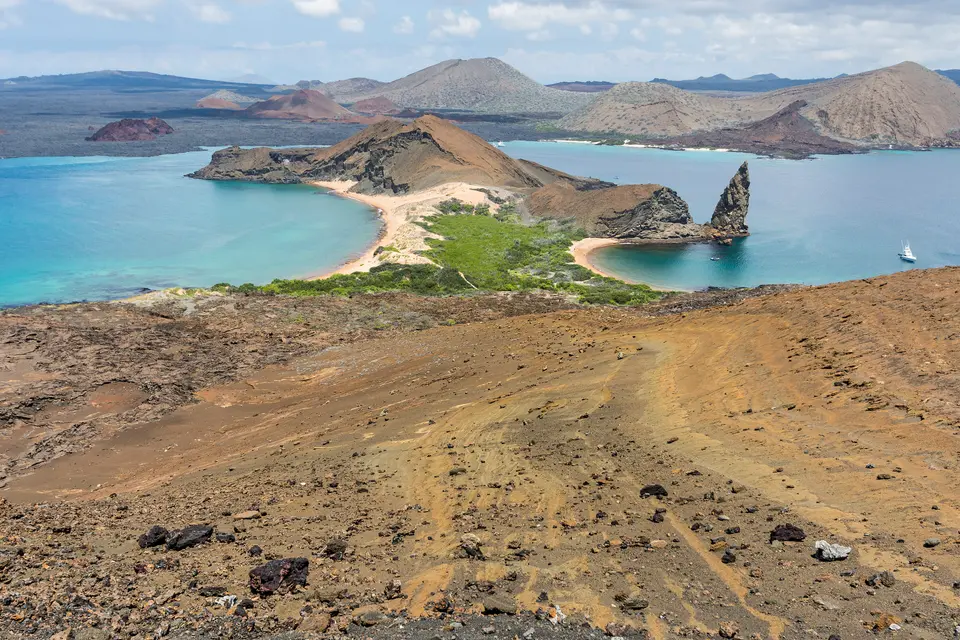
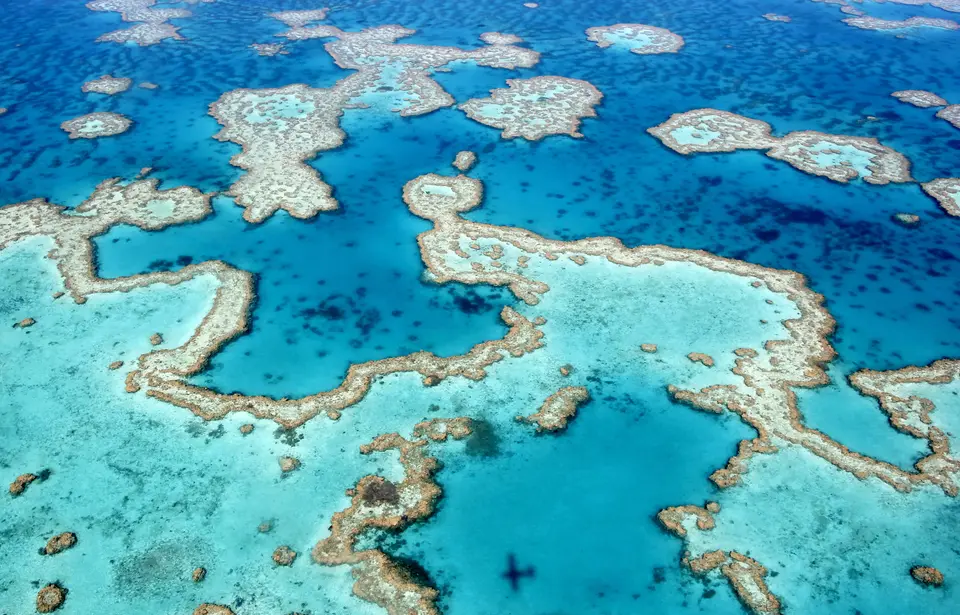
An aerial view of turquoise and white coral reef formations in the Great Barrier Reef near the Whitsunday Islands.

Underwater world

Into the blue, carefully

Coral gardens, drift dives and deep lakes — and the habits that keep them alive.

The Underwater Wonders collection

Photo: Ayanadak123 · CC BY-SA 4.0 · Source (Wikimedia Commons)

Conservation, in practice

  • Never touch or stand on coral. It is a living animal and damage takes years to recover.
  • Use reef-safe habits. Wear a rash vest, apply sunscreen sparingly and well before entering the water, and check local rules on sunscreen ingredients.
  • Choose accredited operators that use moorings instead of anchors, brief divers on buoyancy and keep groups small.
  • Keep your distance from wildlife. No feeding, chasing or riding animals.
  • Reduce your footprint. Carry out your rubbish, avoid single-use plastics and offset travel choices where you can.

Warming seas and marine heatwaves have caused repeated coral bleaching, which is why choosing responsible operators matters. Pay conservation fees gladly; they fund the protection that makes visits possible.
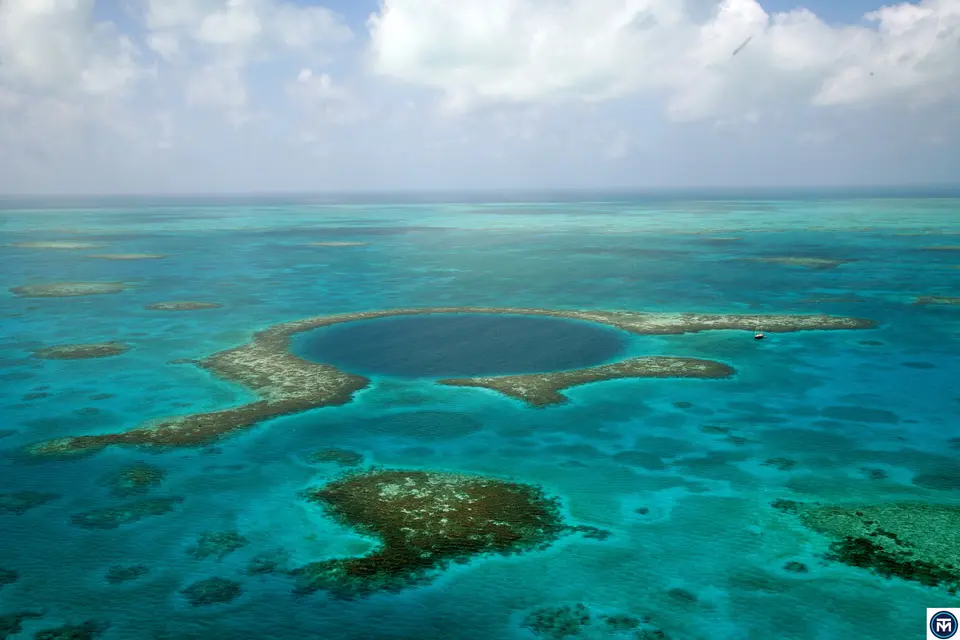
The seven, as listed by CEDAM International, as presented by PADI

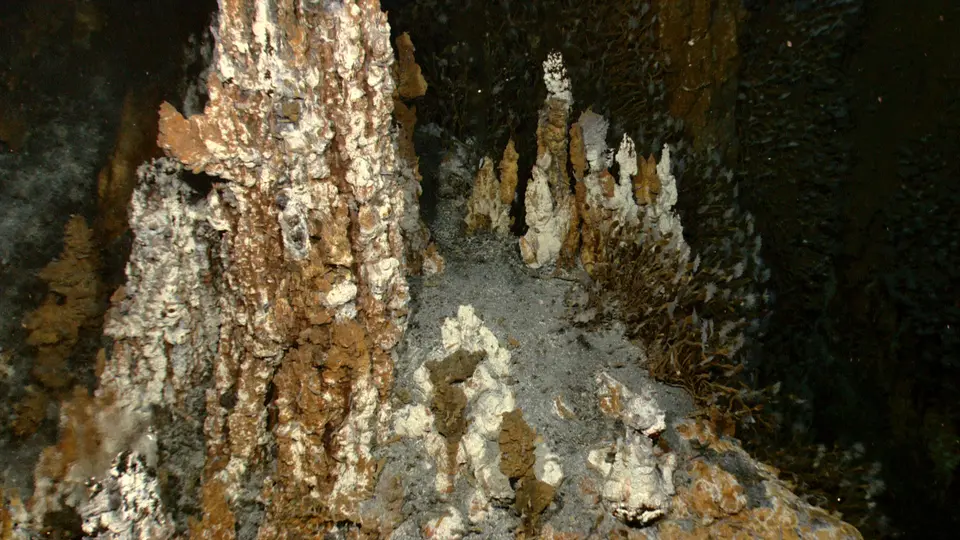
This profile set follows the CEDAM list as described by PADI. It is not the only list with this name and SATRAM is not affiliated with CEDAM or PADI. The deep-sea vents are a research environment, not a recreational dive site; the profile explains accessible alternatives.

Watch

Clownfish in an anemoneA short underwater clip of a clownfish moving in and out of an anemone.Vanuatu
Photo: Nickj · CC BY-SA 3.0 · Source (Wikimedia Commons)
Video: same author and licence, streamed from Wikimedia Commons (source).
Humpback whale lobtailingA humpback whale slapping its tail, filmed in slow motion.Ísafjarðardjúp, Iceland
Photo: Giles Laurent · CC BY-SA 4.0 · Source (Wikimedia Commons)
Video: same author and licence, streamed from Wikimedia Commons (source).
Ambient sound off