
Seven Wonders of the Underwater World
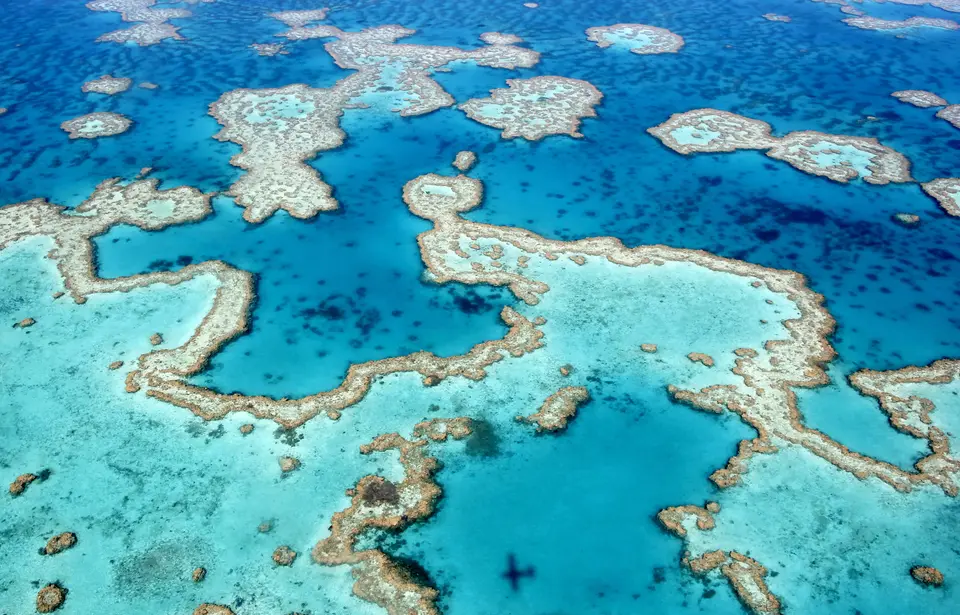
The Great Barrier Reef is not a single reef but a mosaic of thousands of individual reefs and hundreds of islands, spread along some 2,300 kilometres of Australia’s north-east coast. It is the largest coral reef system in the world and supports an enormous variety of life, from tiny corals and clams to turtles, dugongs, reef sharks, whales and countless fish. It is a UNESCO World Heritage Site and a marine park managed by the Great Barrier Reef Marine Park Authority, in partnership with Traditional Owners whose cultures are tied to sea country. The reef faces serious pressures: marine heatwaves have caused repeated mass bleaching in recent years, cyclones and crown-of-thorns starfish cause damage, and runoff from land affects water quality. Many reef areas remain vibrant, and tourism is one route to appreciation and funding for management, with visitors paying an Environmental Management Charge, usually included in tour prices. Experiences include snorkelling and diving from pontoons and boats, glass-bottom boats, scenic flights and sailing in the Whitsundays. Cairns and Port Douglas are the main departure points for outer reef trips, while Lady Elliot and Heron islands offer island stays. Marine stingers are present in warmer months, when protective suits are advised, and weather can affect trips. Choose operators with good environmental practices, avoid touching coral, use reef-safe habits and treat any visit as a chance to learn about the reef’s fragility and recovery.
How to visit
Protected marine park, under climate pressure. Health varies by reef; check current condition reports.
- Gateway
- Cairns (CNS), Port Douglas, or the Whitsundays (Proserpine PPP or Hamilton Island HTI). Day tours leave from Cairns and Port Douglas; the Whitsundays suit sailing and island stays.
- Getting there
- Fly to Cairns or Proserpine/Hamilton Island; reef tours leave from Cairns, Port Douglas and the Whitsundays by boat, helicopter or seaplane.
- Access and booking
- Visit through licensed tour operators. The Environmental Management Charge applies to commercial reef visits and is normally included in the ticket price.
- Season and conditions
- Dry season (roughly May–October) offers calmer weather and good visibility; summer brings marine stingers, rain and cyclone risk.
- Guides, permits and reservations
- Snorkelling and introductory diving are offered to most visitors; certified diving needs a licence. Check stinger-season rules.
- Accessibility and physical demands
- Many operators provide accessible pontoons or semi-submersibles; check individually.
- What you can realistically visit today
- You can snorkel, dive, sail or take scenic flights over the reef, subject to weather and operator availability.
Checked against official sources
- Tourism Australia and Queensland’s tourism authority describe Cairns and Port Douglas as main departure points, May–October as the clearer and drier season, and note that every reef visitor pays an Environmental Management Charge normally built into the tour price. — Tourism Australia / Tourism and Events Queensland
Reviewed 2026-10-23. Official details change; confirm on the official page before you travel.
Pending verification
SATRAM has not verified the following; please check an official source:
- Current amount of the Environmental Management Charge.
- Current reef condition and bleaching status.
Official and useful links
Sources
Description and visit notes were written by SATRAM from these references. “Opened” means a page was read during the review; “cited” means it is listed as a standard reference and its address has not been machine-checked. Last reviewed .
- Seven Wonders of the Underwater World — PADI — PADI · opened
- Great Barrier Reef — UNESCO World Heritage List — UNESCO World Heritage Centre · cited
- Travel guide to the Great Barrier Reef — Tourism Australia · opened