
Seven Wonders of the Underwater World
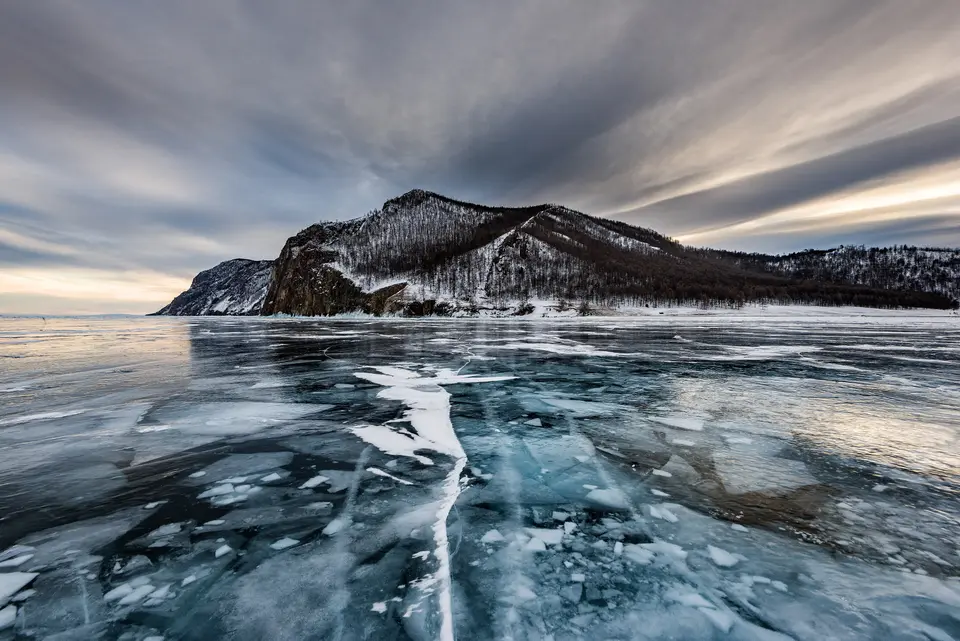
Lake Baikal in southern Siberia holds around a fifth of the world’s unfrozen surface fresh water, and it is the deepest lake on Earth, plunging to about 1,640 metres. It is also thought to be the oldest, with an age counted in the tens of millions of years, which has allowed a remarkable evolution of species found nowhere else, including the Baikal seal, or nerpa, and hundreds of species of tiny crustaceans. The water is exceptionally clear and cold. In winter the surface freezes to a thickness of a metre or more, and wind-polished ice reveals bubbles, cracks and turquoise depths, a draw for photographers and skaters. In summer the shores are green, with forests, steppe and small villages. Olkhon Island is the lake’s spiritual and scenic heart, with shamanic sites on Cape Burkhan, while the Circum-Baikal Railway and Listvyanka offer easy access from Irkutsk. UNESCO inscribed the lake in 1996. Diving here is cold and specialised, and most visitors see the underwater world through guides, museums such as the Baikal Museum in Listvyanka, or research vessels and submersibles used by scientists. Current travel conditions in Russia are unusual: several governments advise against all travel, entry rules are strict, international card payments may not work, and flights have been disrupted. Anyone considering Baikal should check their own government’s advice, travel insurance terms and entry rules before making plans. This profile describes the lake, not a recommendation to travel.
How to visit
Protected natural lake. Travel conditions in Russia are restrictive; check official advice.
- Gateway
- Irkutsk (IKT), then Listvyanka or Olkhon Island by road. Entry rules, flights and government travel advice for Russia are currently restrictive; check them first.
- Getting there
- Fly to Irkutsk (if flights and conditions allow), then take a road transfer to Listvyanka (about an hour) or on to Olkhon Island by road and ferry.
- Access and booking
- Entry to Russia is subject to national visa and registration rules; some areas near borders need permission.
- Season and conditions
- Winter (February–March) offers clear ice; July–August is warmest; spring and autumn have ice transitions that can be dangerous.
- Guides, permits and reservations
- Check government travel advice and entry rules. Do not walk or drive on ice without a qualified local guide.
- Accessibility and physical demands
- Ice and rough roads are demanding; pending verification.
- What you can realistically visit today
- You can visit the Baikal Museum, walk on the shore, cruise in summer and, with guides, explore the frozen lake in winter.
Checked against official sources
- The UK FCDO advises against all travel to Russia, noting that entry requires registration of biometric details and possible airspace and airport restrictions; Australia reports that several Russian airports have closed to the public, and Canada notes that card payments may not work. — GOV.UK / Smartraveller / Travel.gc.ca
Reviewed 2026-10-23. Official details change; confirm on the official page before you travel.
Pending verification
SATRAM has not verified the following; please check an official source:
- Current flight availability to Irkutsk and entry rules for your nationality.
- Accessibility and tour operator conditions.
Official and useful links
Sources
Description and visit notes were written by SATRAM from these references. “Opened” means a page was read during the review; “cited” means it is listed as a standard reference and its address has not been machine-checked. Last reviewed .
- Seven Wonders of the Underwater World — PADI — PADI · opened
- Lake Baikal — UNESCO World Heritage List — UNESCO World Heritage Centre · cited
- Russia travel advice — UK FCDO · opened