
Seven Wonders of the Ancient World
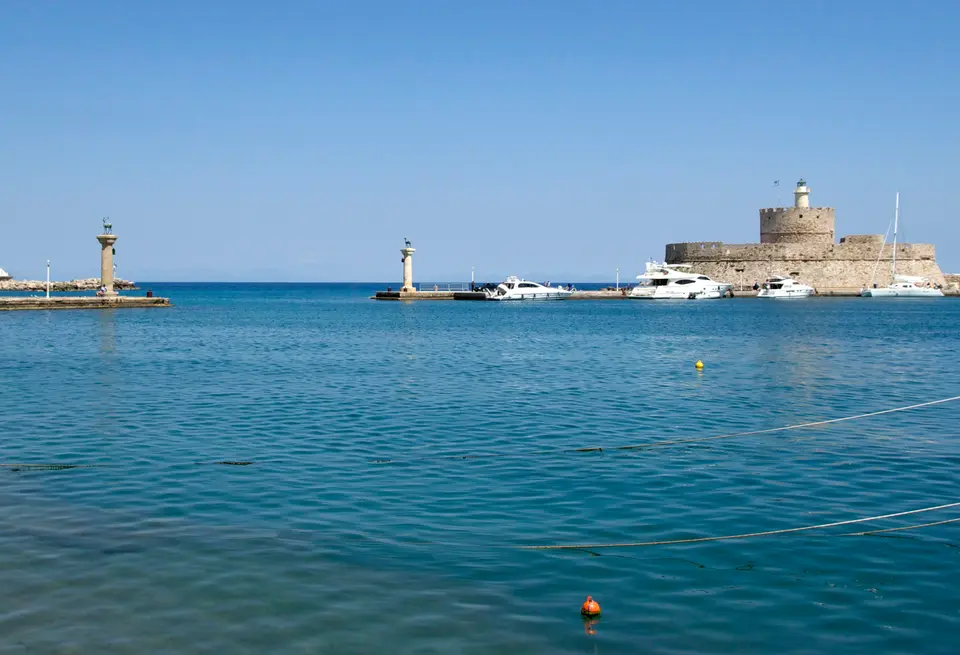
The Colossus of Rhodes was a monumental bronze statue of the sun god Helios, erected by the people of Rhodes after they withstood a year-long siege by Demetrius Poliorcetes in 305–304 BCE. Made by the sculptor Chares of Lindos and completed around 280 BCE, it is thought to have stood around thirty metres tall, built of bronze plates over an iron and stone framework and financed in part by the sale of abandoned siege equipment. The popular image of a figure straddling the harbour entrance is a medieval invention; ancient sources suggest a standing figure, but its exact position is unknown and may have been near the harbour or on higher ground. The statue lasted only about fifty-four years, collapsing in an earthquake around 226 BCE. The Rhodians chose not to rebuild it, and the fallen pieces were admired as a marvel for centuries until, according to later traditions, the metal was sold after an Arab conquest in the seventh century. No identified fragments survive. Today the harbour of Mandraki, with its two columns topped by deer and the fortress of St Nicholas, is the place most associated with the Colossus, and the photograph here shows that harbour, not the statue. Rhodes Old Town, a UNESCO World Heritage Site, rewards walking, with its Knights’ Palace and medieval streets, and the Archaeological Museum interprets the island’s history. Visit with the mystery in mind and enjoy the harbour light.
How to visit
Destroyed in antiquity; location uncertain. No surviving remains have been identified.
- Gateway
- Rhodes (RHO), then Rhodes Town. Rhodes Town is a short drive from the airport; the Old Town is UNESCO-listed.
- Getting there
- Rhodes Town is easily reached by air from Athens and many European airports, or by ferry. Mandraki harbour and the Old Town are walkable.
- Access and booking
- Mandraki harbour is open public space. The Archaeological Museum of Rhodes and the Palace of the Grand Master are ticketed; hours and prices differ by season and source.
- Season and conditions
- Spring and autumn offer comfortable walking; summer is hot and busy.
- Guides, permits and reservations
- None for the harbour. Museum hours vary seasonally.
- Accessibility and physical demands
- The Old Town has cobbled streets and steep sections; details pending verification.
- What you can realistically visit today
- You can walk Mandraki harbour, imagine the statue from the quay, and visit the Archaeological Museum and the Old Town. There is no statue to see.
Checked against official sources
- UNESCO’s description of the Medieval City of Rhodes states the port was formerly embellished by the Colossus erected by Chares of Lindos; the Greek ministry listing for the Archaeological Museum gives summer hours 08:00–20:00 (1 April–31 October) while another local timetable listed different hours. — UNESCO / Greek Ministry of Culture
Reviewed 2026-10-23. Official details change; confirm on the official page before you travel.
Pending verification
SATRAM has not verified the following; please check an official source:
- Exact opening hours and ticket prices of the museum (sources differ).
- Transfer options from Rhodes airport.
Official and useful links
Sources
Description and visit notes were written by SATRAM from these references. “Opened” means a page was read during the review; “cited” means it is listed as a standard reference and its address has not been machine-checked. Last reviewed .
- Medieval City of Rhodes — UNESCO World Heritage List — UNESCO World Heritage Centre · cited
- Archaeological Museum of Rhodes — Hellenic Ministry of Culture · opened
- Colossus of Rhodes — Encyclopaedia Britannica · cited