
Visual seasons
The year, as the light sees it
Four seasons, four ways to travel. Scroll through blossom, islands, forests and mountains — each with the practical notes to go there well.
Blossom · Late March to May (Northern Hemisphere)
Spring
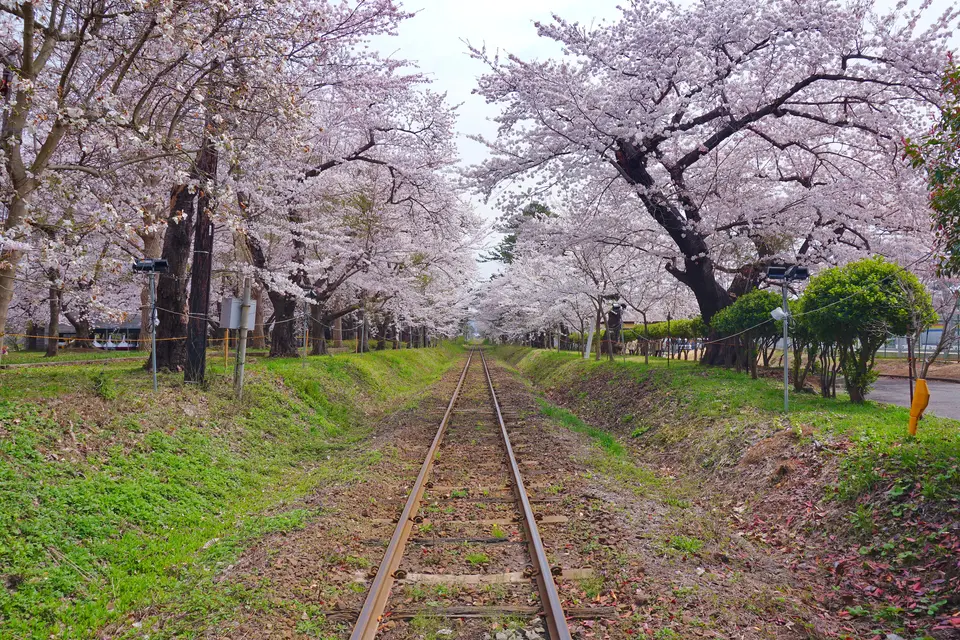
Spring arrives in waves. In Japan, cherry blossom moves north from the south-west in late March, reaching Kyoto in early April and the northern island of Hokkaido in May, though the dates shift every year with the weather. People gather beneath the trees for hanami, flower-viewing picnics that celebrate how brief the blooms are.
Blossom is fragile and weather-dependent. Check local bloom forecasts a few days ahead, travel early in the morning to avoid crowds, and give the trees space; do not climb them or shake the branches.
Go to: Kyoto, Amalfi Coast
Islands · June to August (Northern Hemisphere)
Summer
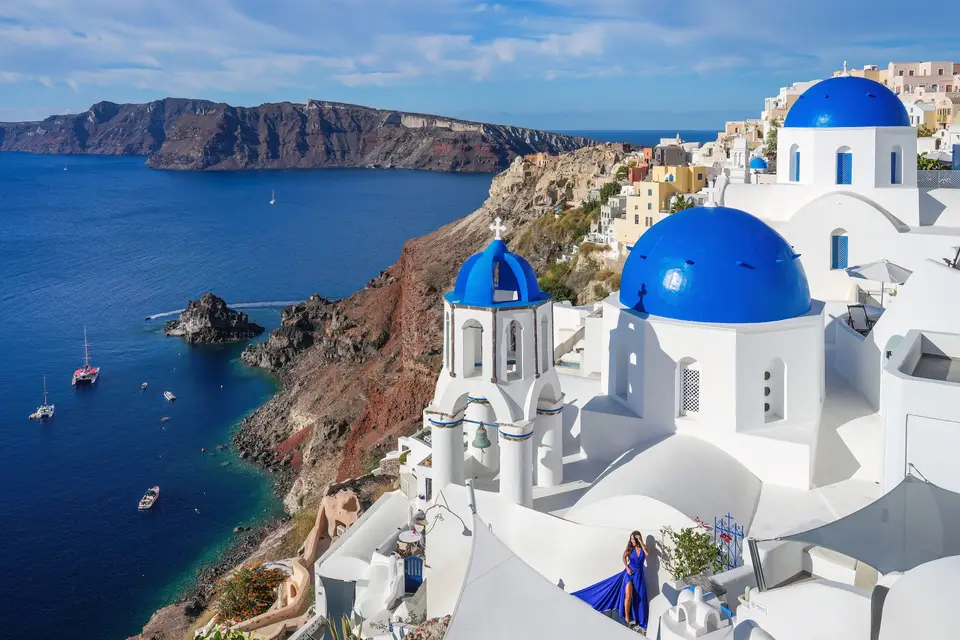
Summer belongs to the islands: whitewashed villages above blue water in the Greek Cyclades, atoll lagoons in the Indian Ocean, rocky coves in the Mediterranean. Long evenings, warm seas and ferries between harbours make for easy, unhurried travel.
Popular islands are crowded and hot in July and August. Late June and September give warm water and fewer people. Book ferries and rooms early, carry water and sun protection, and travel with respect for small communities that are stretched by tourism.
Go to: Maldives, Amalfi Coast
Forests · September to November (Northern Hemisphere)
Autumn
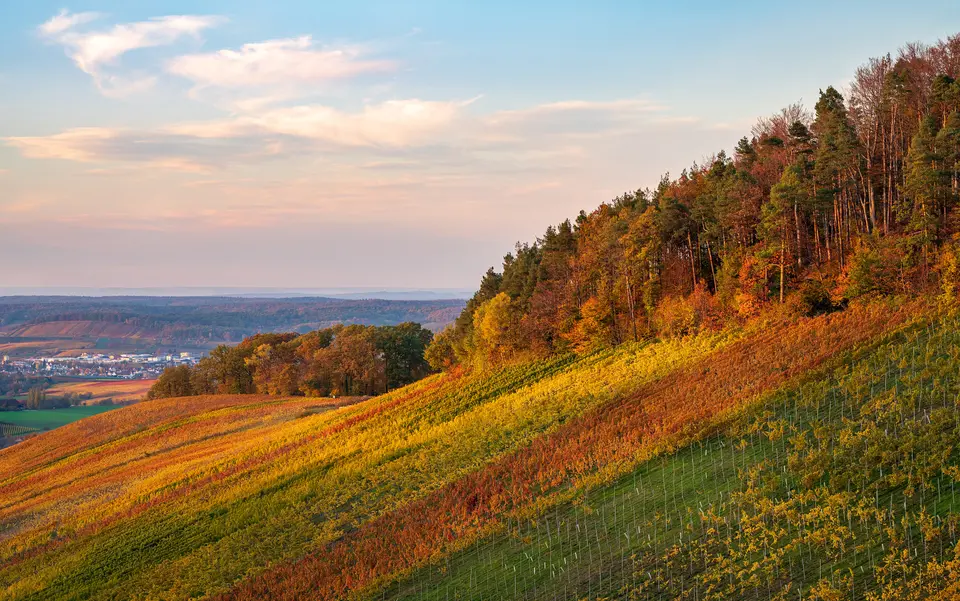
As days shorten, forests turn to copper, gold and red. In Japan, momiji (maple) viewing is as celebrated as spring blossom; in Europe and North America, hills, vineyards and lakes glow in late October. Autumn light is low and warm, and walking weather is often the best of the year.
Colour peaks at different dates by altitude and latitude, so follow local foliage reports. Pack layers, because mornings are cold, and start walks early to enjoy empty paths.
Go to: Kyoto, Swiss Alps — Lauterbrunnen and the Bernese Oberland
Mountains · December to March (Northern Hemisphere)
Winter
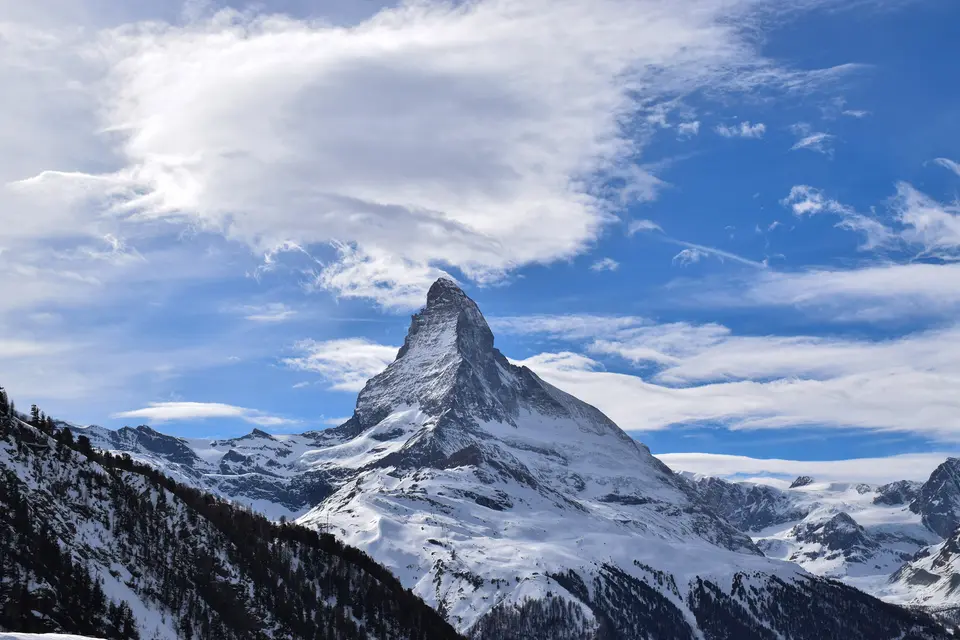
Winter in the mountains is a world of quiet: snow muffles sound, air is clear, and peaks stand out sharply against low sun. Beyond skiing, there are snowshoe trails, mountain railways, thermal baths and, in the far north, the aurora.
Mountain weather is serious. Check avalanche and weather bulletins, carry appropriate clothing, and use certified guides for off-piste or glacier travel. Book popular resorts well ahead for holidays.
Go to: Swiss Alps — Lauterbrunnen and the Bernese Oberland, Iceland — South Coast and Reykjavík, Tromsø — Arctic Norway