
Overview
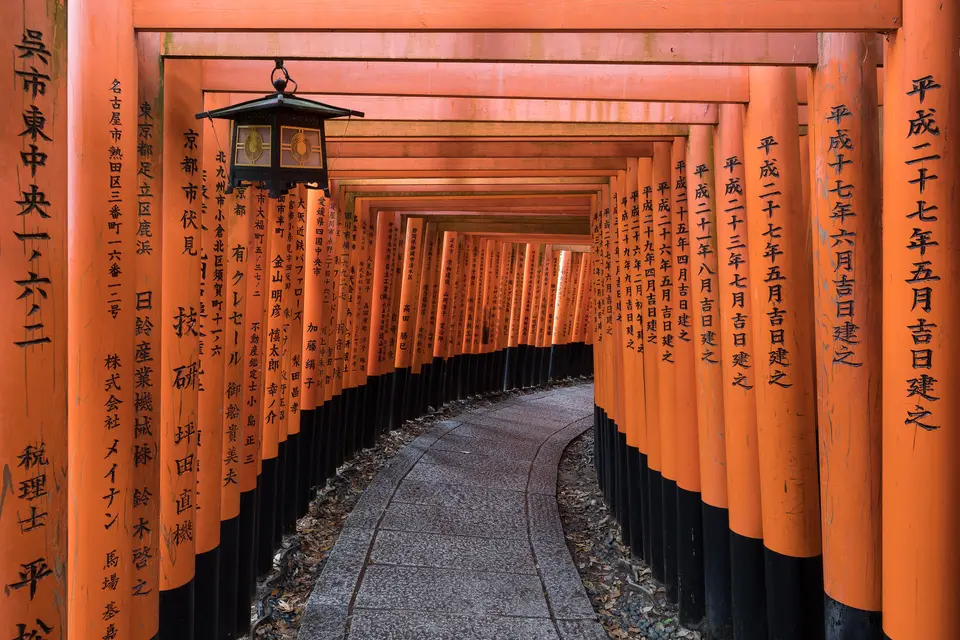
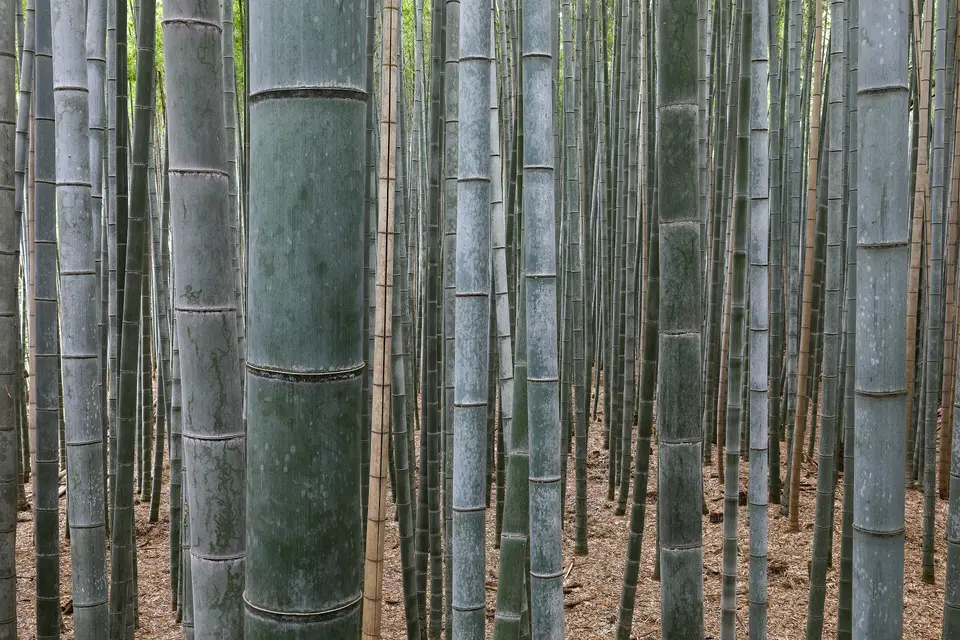
Kyoto was Japan’s imperial capital for more than a thousand years, and it still holds temples, shrines, gardens and merchant houses spread across a basin of hills. Highlights range from the vermilion torii gates of Fushimi Inari to the bamboo groves of Arashiyama and the quiet gardens of Zen temples. Traditional arts such as tea ceremony, kaiseki cuisine and textile crafts continue in daily life.
Popular sights are crowded, so early mornings, weekdays and lesser-known temples make a big difference. Public transport includes buses, subway and trains; many travellers walk or cycle between neighbourhoods.
Best time to visit
Cherry blossom season (late March–April) and autumn colour (late October–November) are the most beautiful and the busiest. Summer is hot and humid; winter is cold and quiet, with occasional snow on the temples.
Getting there and around
Kyoto is about 15–45 minutes from Osaka’s Kansai (KIX) and Itami airports by train and shuttle, and about 2 hours 15 minutes from Tokyo by Shinkansen. Within the city, the subway, buses and the JR and private railways cover most sights.
Sample three-day itinerary
- Day 1 — Gates and lanes. Walk the Fushimi Inari torii paths early, then explore the Gion district and Kiyomizu-dera in the afternoon.
- Day 2 — Bamboo and temples. Visit Arashiyama’s bamboo grove and Tenryu-ji garden, then Kinkaku-ji (the Golden Pavilion).
- Day 3 — Tea and a garden. Join a tea ceremony, walk the Philosopher’s Path and visit Ginkaku-ji or a Zen garden.
A sample, not a booking. Opening hours, transport and seasonal closures change; confirm with official sources.
Indicative budget
Mid-range Mid-range to premium depending on where you sleep. Hotel prices spike in blossom and foliage seasons; ryokan stays and kaiseki dinners are splurges, while temple entry and street food are affordable.
No live prices, weather, visa eligibility or availability are shown. Use the budget calculator for your own estimate.
Attractions
- Fushimi Inari Taisha. Thousands of vermilion torii gates up a forested hill.
- Arashiyama Bamboo Grove. A path through tall bamboo; best at dawn.
- Kiyomizu-dera. A hillside temple with a wooden terrace and city views.
- Kinkaku-ji. The Golden Pavilion beside a mirror pond.
Packing guidance
- Slip-on shoes for temples
- Light layers
- Compact umbrella
- Small change for shrines and vending machines
- A bag for carrying rubbish (public bins are few)
Gallery
Films
Reviewed 2026-10-23. SATRAM’s notes are editorial guidance written from public references, not live travel information.