
New Seven Wonders of the World
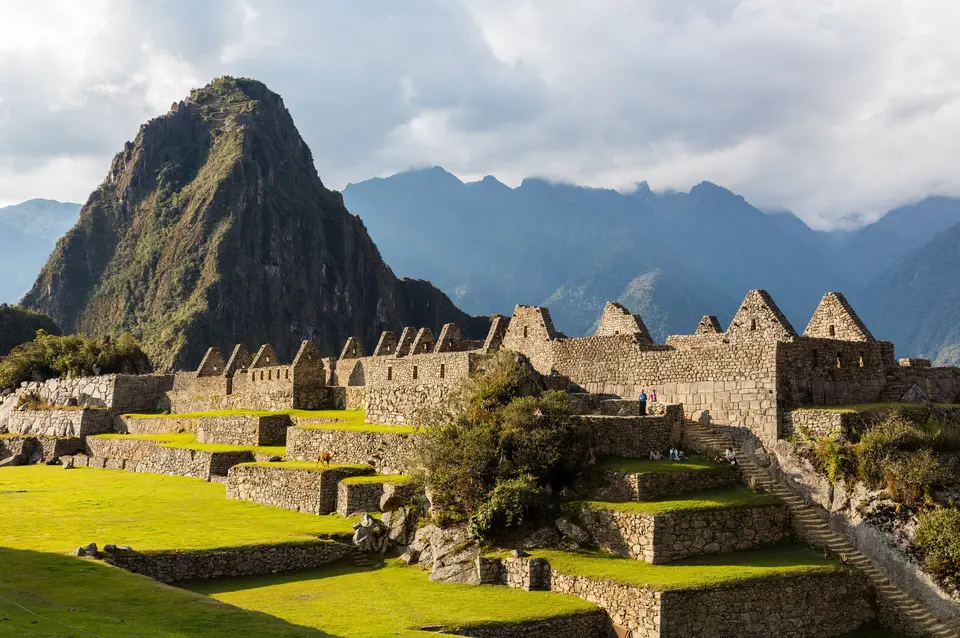
Machu Picchu sits on a ridge about 2,400 metres above sea level, framed by green peaks and a loop of the Urubamba River far below. Built in the mid-fifteenth century, it is generally understood to have been a royal estate of the Inca emperor Pachacuti, with temples, residences, agricultural terraces and a sophisticated water system. Its dry-stone masonry, fitted without mortar, has survived earthquakes and heavy rainfall, and its channels and drainage are still admired by engineers. The site was abandoned around the time of the Spanish conquest and was never found by the invaders, which is part of why it survived so well. Local farmers knew the ruins; the American explorer Hiram Bingham brought them to international attention in 1911. Key structures include the Temple of the Sun, the Room of the Three Windows, the Intihuatana stone and the Sacred Plaza, and the agricultural terraces step down the hillside like green stairs. Machu Picchu is a UNESCO World Heritage Site, part of a protected sanctuary rich in cloud forest, orchids and wildlife, and one of the most carefully managed visitor attractions in the Americas. Entry is regulated by circuits, time slots and daily limits to protect the stone and the slopes. Mist often drifts through at dawn, so expect changing light, damp paths and the thin air of high altitude.
How to visit
Preserved ruins. Restored and conserved; visitor numbers are regulated.
- Gateway
- Cusco (CUZ), then train from Ollantaytambo or Poroy to Aguas Calientes (Machu Picchu Pueblo). There is no road to the town of Aguas Calientes; a shuttle bus climbs to the citadel entrance.
- Getting there
- Trains run to Aguas Calientes from Ollantaytambo and from Cusco/Poroy; from there a licensed shuttle bus climbs to the entrance. Hikers can arrive via the Inca Trail or other treks, which have their own permit systems.
- Access and booking
- Entry tickets are sold through the Ministry of Culture's official portal and, in limited numbers, in person in the town. Tickets are tied to a circuit and an entry time, with a short tolerance period.
- Season and conditions
- The drier season, roughly May to September, is the most popular and busiest; the wet season brings rain and mist, and the Inca Trail closes in February.
- Guides, permits and reservations
- A passport is required to enter. Official regulations introduced in 2024 describe visitors entering with an authorised tour guide, but rules have been adjusted since; confirm current guide requirements with the Ministry of Culture.
- Accessibility and physical demands
- Steep stairs, uneven stones and altitude make the site demanding. Facilities and any alternative circuits are pending verification.
- What you can realistically visit today
- You can follow one of the designated circuits through terraces, temples and plazas, and some circuits include Huayna Picchu or Machu Picchu mountain climbs, which have separate limits.
Checked against official sources
- Ministry of Culture communications and rules reported by official Peruvian government pages state that tickets specify the chosen circuit and routes, that entry has a time tolerance of 30 minutes in low season and 45 minutes in high season, and that tickets are sold at tuboleto.cultura.pe and in person at the Machupicchu Pueblo cultural centre. — Peru Ministry of Culture (culturacusco.gob.pe / machupicchu.gob.pe)
- PeruRail and Inca Rail run trains to Aguas Calientes, and Consettur is the only authorised bus operator to the citadel entrance. — PeruRail / Inca Rail
Reviewed 2026-10-23. Official details change; confirm on the official page before you travel.
Pending verification
SATRAM has not verified the following; please check an official source:
- Whether a licensed guide is mandatory for all circuits today (official rules were reported as changing).
- Current daily capacity, ticket prices and circuit names.
- Trains and bus timetables for your travel date.
Official and useful links
Sources
Description and visit notes were written by SATRAM from these references. “Opened” means a page was read during the review; “cited” means it is listed as a standard reference and its address has not been machine-checked. Last reviewed .
- New7Wonders of the World — official wonders page — New7Wonders Foundation · opened
- Historic Sanctuary of Machu Picchu — UNESCO World Heritage List — UNESCO World Heritage Centre · cited
- Machu Picchu official information — Peru Ministry of Culture · cited
- How to plan your trip to Machu Picchu independently — PeruRail · opened