
New 7 Wonders of Nature
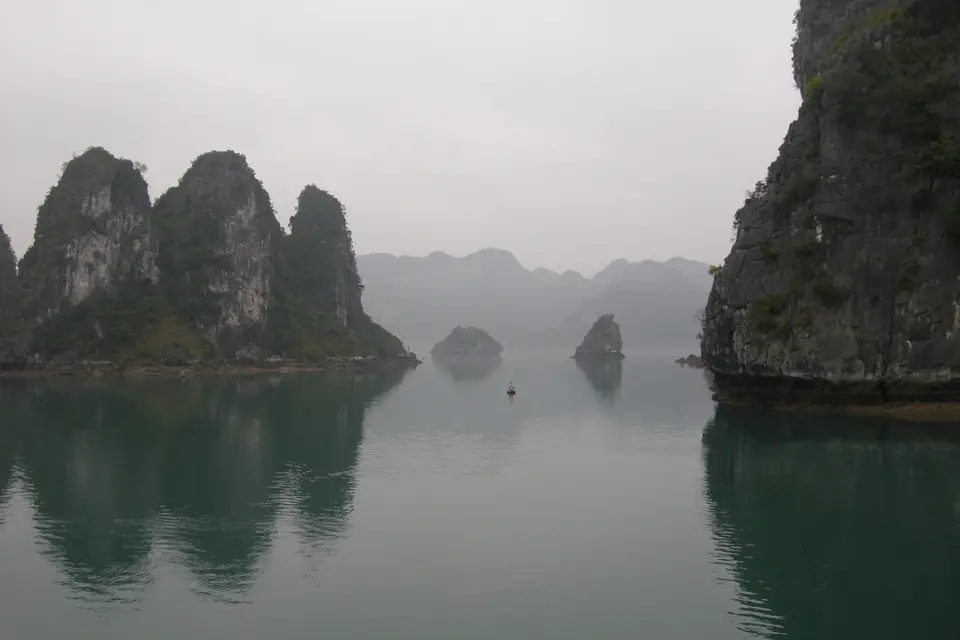
Hạ Long Bay is a seascape of limestone pillars and islets that rise sharply from the Gulf of Tonkin, thousands of them draped in green and mirrored in calm water. The name means descending dragon, drawn from a legend in which a dragon family spat jewels that became the islands to protect the Vietnamese from invaders. Geologically, the bay is a drowned karst landscape formed when ancient limestone was eroded by rain and sea over a very long time, leaving towers, arches, caves and hidden lagoons. UNESCO recognised its outstanding natural beauty and, later, its geological value. Beyond the scenery, the bay is a living place. Fishing communities have worked its waters for generations, some in floating villages such as Cửa Vạn, and the caves have yielded traces of prehistoric settlement. Visitors typically sail on boats, kayak into lagoons, swim at small beaches and visit caves such as Sửng Sốt, though some activities change with regulation. Mist often softens the view in cool months, while summer brings storms and warm swimming. The bay is popular and busy, and pollution, overcrowding and development are real challenges; many travellers now choose smaller boats, quieter routes in the neighbouring Bái Tử Long Bay or longer stays that spread income to local communities. Booking with an operator licensed in Quảng Ninh, checking weather alerts and respecting limits on waste and noise make a visit more meaningful and sustainable.
How to visit
Active natural and cultural landscape. Heavily visited; managed by provincial authorities.
- Gateway
- Hanoi (HAN), about two and a half hours by expressway to Hạ Long; Vân Đồn airport also serves the area. Cruises leave from ports such as Tuần Châu and Bãi Cháy.
- Getting there
- From Hanoi, travel by expressway to Hạ Long (around two and a half hours) and transfer to a cruise port; Vân Đồn airport and Hạ Long International Cruise Port also serve the region. Some seaplane and helicopter options exist.
- Access and booking
- Visitors usually buy admission at counters run by the Hạ Long Bay Management Board at tourist wharves; most travellers book a day or overnight cruise through licensed operators.
- Season and conditions
- Autumn and spring are mild; winter can be misty and chilly, and summer brings typhoon risk. Check weather advisories.
- Guides, permits and reservations
- Cruise boats and routes are regulated; use licensed operators. Some caves and areas are temporarily closed to protect them.
- Accessibility and physical demands
- Boat boarding and cave steps can be challenging; details pending verification by operator.
- What you can realistically visit today
- You can cruise among islands, kayak into lagoons, visit caves and floating villages, and swim at small beaches, subject to current rules.
Checked against official sources
- Vietnam’s tourism authority describes the journey from Hanoi as about two and a half hours by road with cruise transfers from Tuần Châu and Bãi Cháy, and a 2023 notice states admission is bought at counters managed by the Hạ Long Bay Management Board at tourist wharves. — Vietnam National Authority of Tourism / Visit Vietnam
Reviewed 2026-10-23. Official details change; confirm on the official page before you travel.
Pending verification
SATRAM has not verified the following; please check an official source:
- Current admission prices and cruise route lists.
- Current rules for specific caves and islands.
Official and useful links
Sources
Description and visit notes were written by SATRAM from these references. “Opened” means a page was read during the review; “cited” means it is listed as a standard reference and its address has not been machine-checked. Last reviewed .
- New7Wonders of Nature — official wonders page — New7Wonders Foundation · opened
- Ha Long Bay — UNESCO World Heritage List — UNESCO World Heritage Centre · cited
- Ha Long — Visit Vietnam — Vietnam National Authority of Tourism · opened