
New 7 Wonders Cities
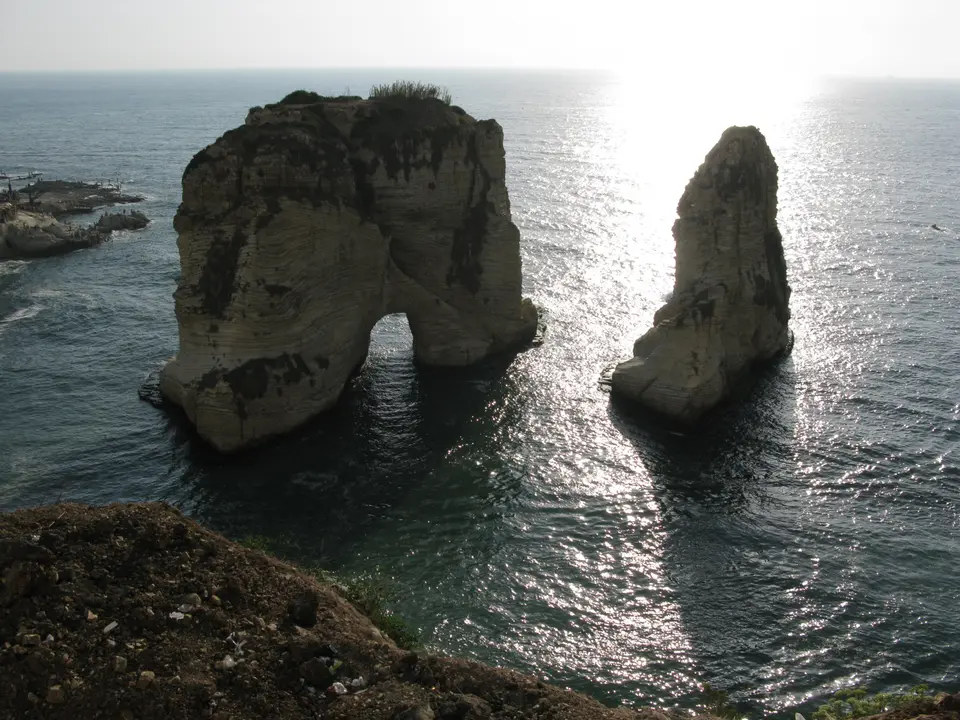
Beirut is one of the oldest continuously inhabited cities on the Mediterranean coast, a Phoenician port known to the Romans as Berytus, where a famous law school flourished in late antiquity. Its layers of history include Roman baths, Ottoman mosques and churches, French mandate boulevards and modern towers, often within a short walk. The city has endured war, economic collapse and the devastating port explosion of August 2020, and has rebuilt repeatedly, shaped by a mix of Christian, Muslim and secular communities and a diaspora far larger than its resident population. Visitors in calmer periods have found a city of cafés, bookshops, galleries and seaside promenades, where the Corniche, the white Raouche or Pigeon Rocks and the hillside neighbourhoods of Gemmayzé and Mar Mikhaël invite wandering. The National Museum holds remarkable Phoenician and Roman collections, the Sursock Museum shows art in a villa, and the Mohammad Al-Amin Mosque and nearby churches stand close together. Lebanese food, from mezze to fresh seafood and bakeries, is a reason to travel in itself. Conditions are volatile: several governments have advised against travel to Lebanon or parts of it, and flight access and road safety can change at short notice, so this profile is a story rather than an itinerary. Consult your own government’s current advice, travel insurance conditions and local sources before considering a trip, and be ready to change plans.
How to visit
Living city — conditions volatile. Government travel advice has warned against travel; check current guidance.
- Gateway
- Beirut–Rafic Hariri International Airport (BEY). Check current security advice and flight availability before any plans.
- Getting there
- Beirut–Rafic Hariri International Airport is the main gateway. Inside the city, taxis and ride-hailing are common; public transport is limited.
- Access and booking
- Entry rules depend on nationality. Some nationalities receive a visa on arrival; others must obtain one in advance.
- Season and conditions
- Spring and autumn are mild; summers are hot and humid, winters rainy.
- Guides, permits and reservations
- Check government travel advice and entry requirements, including restrictions related to stamps from certain countries, before travelling.
- Accessibility and physical demands
- Pavements and public transport can be difficult. Pending verification.
- What you can realistically visit today
- In stable periods visitors can see the National Museum, Corniche, old souks, galleries, cafés and nearby sites such as Byblos and Jeita Grotto. Availability depends on current conditions.
Checked against official sources
- The UK FCDO advice (current as of 23 October 2026) stated that Beirut airport was open, advised checking local security before travelling to it, and described entry options; Australia advised not travelling to Lebanon and Canada warned of road closures to the airport. — GOV.UK / Smartraveller / Travel.gc.ca
Reviewed 2026-10-23. Official details change; confirm on the official page before you travel.
Pending verification
SATRAM has not verified the following; please check an official source:
- Whether the current security situation allows normal tourism.
- Opening hours of museums and sites.
Official and useful links
Sources
Description and visit notes were written by SATRAM from these references. “Opened” means a page was read during the review; “cited” means it is listed as a standard reference and its address has not been machine-checked. Last reviewed .
- New7Wonders Cities — official wonders page — New7Wonders Foundation · opened
- Lebanon travel advice — UK FCDO · opened
- Beirut — Encyclopaedia Britannica · cited