
New Seven Wonders of the World
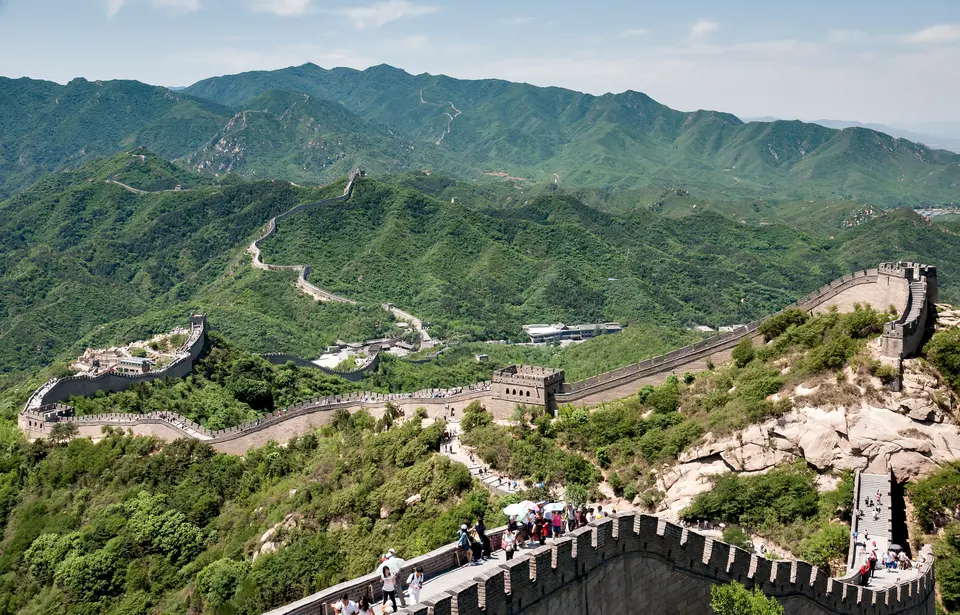
The Great Wall is not one wall but a long, interrupted system of ramparts, trenches, watchtowers and garrison towns built by different states and dynasties from roughly the seventh century BCE onward. Qin Shi Huang linked earlier northern defences after unifying China around 220 BCE, but the brick-and-stone wall most travellers picture is largely the work of the Ming dynasty between the fourteenth and seventeenth centuries. Its purpose was never only military. The wall controlled movement, taxed caravans, signalled danger by smoke and fire from tower to tower, and marked the edge between farming China and the steppe. A national survey completed in 2012 measured well over twenty thousand kilometres of wall sections across all periods, running through mountains, deserts and grassland. Contrary to a popular myth, it cannot be seen from the Moon with the naked eye. What makes it unforgettable is its relationship with the land: stairs that climb impossibly steep ridgelines, crenellated parapets that rise and fall with the hills, and beacon towers perched on summits. Restored sections such as Badaling and Mutianyu are easy to reach and have good facilities, while Jinshanling and Simatai offer longer walks with fewer people. Unrestored “wild” stretches crumble into grass and require serious caution. Autumn colour, winter snow and clear spring mornings reward early starts, but all sections are demanding underfoot, and the stone steps are uneven.
How to visit
Survives in many sections. Long stretches stand, restored or ruined; some are closed or unsafe.
- Gateway
- Beijing (PEK / PKX). Badaling and Mutianyu are the most visited sections, roughly 70–80 km from central Beijing.
- Getting there
- From Beijing, Badaling can be reached by a dedicated rail service from the city, by tour coach or by taxi; Mutianyu is usually reached by road with a shuttle or tour. Confirm current services before travelling.
- Access and booking
- Each scenic area sells its own tickets and has its own rules. Foreign visitors have been able to book with a passport through official channels; the exact platform changes, so use the official site of the section you choose.
- Season and conditions
- Spring and autumn offer clearer air and milder temperatures. Summer is hot and crowded; winter can be icy and very cold.
- Guides, permits and reservations
- Bring your physical passport. Some scenic areas operate real-name entry. Wild sections may be closed to visitors for safety; do not climb restricted stretches.
- Accessibility and physical demands
- Steep steps and uneven stone throughout. Cable cars or chairlifts at some sections reduce the climb but not the steps on the wall itself. Detailed accessibility information is pending verification.
- What you can realistically visit today
- You can walk restored sections with railings and facilities, take cable cars, and in some places toboggan down. Long stretches elsewhere are ruins that are not open to the public.
Checked against official sources
- Beijing government tourism pages state that foreign visitors can book Badaling tickets through a WeChat ticketing platform with a passport, and Mutianyu requires a real-name reservation on its official English website. — Visit Beijing / Beijing Government (2024 items)
Reviewed 2026-10-23. Official details change; confirm on the official page before you travel.
Pending verification
SATRAM has not verified the following; please check an official source:
- Current ticket prices, opening hours and whether on-site purchase is allowed at each section.
- Current rail timetable from Beijing to Badaling.
- Accessibility details for each section.
Official and useful links
Sources
Description and visit notes were written by SATRAM from these references. “Opened” means a page was read during the review; “cited” means it is listed as a standard reference and its address has not been machine-checked. Last reviewed .
- New7Wonders of the World — official wonders page — New7Wonders Foundation · opened
- Great Wall of China — UNESCO World Heritage List — UNESCO World Heritage Centre · cited
- Great Wall of China — overview — Encyclopaedia Britannica · cited
- Changes coming to visit Badaling Great Wall — Visit Beijing · opened